
To locations where communication is prone to instability
In logistics, manufacturing, and facility settings, communication quality can vary significantly due to the interplay of metal, shielding, numerous wireless devices, and surrounding communications that cannot be controlled by the company itself.
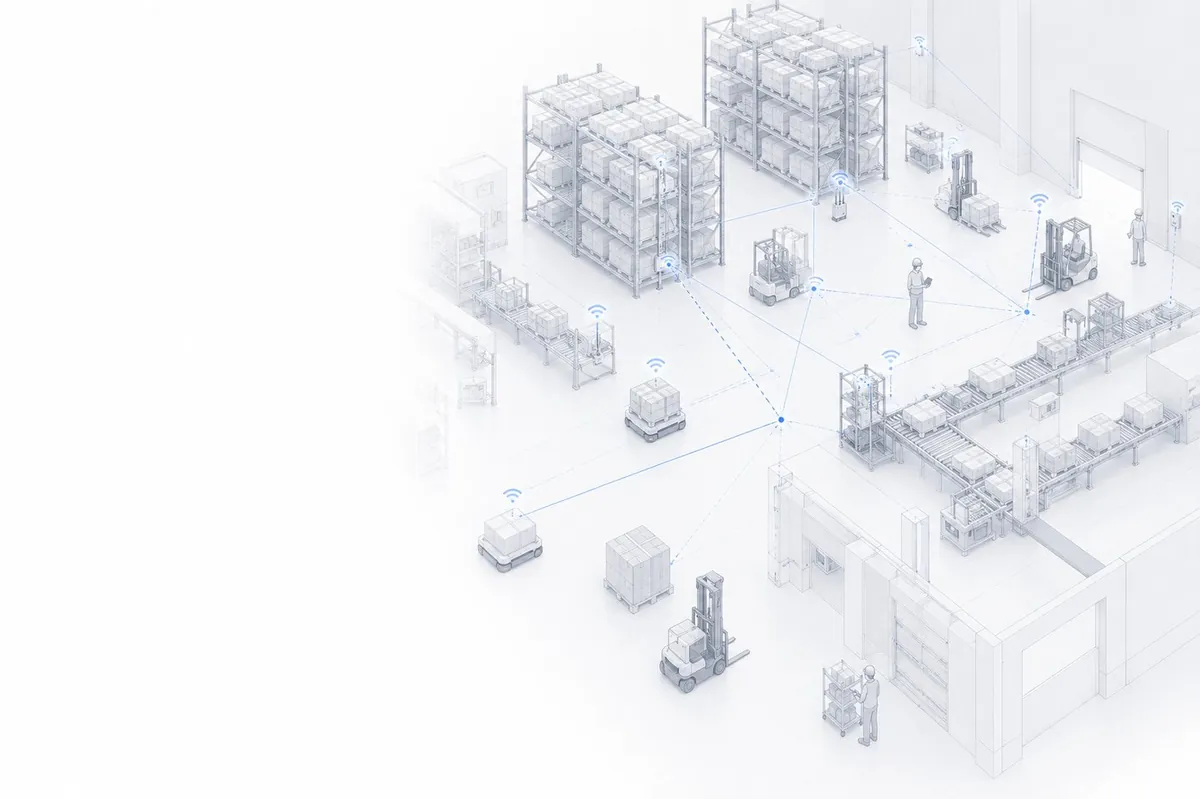
Three communication challenges lurking in the field
Metal/shielding/reflection
Metal shelves, equipment, and transported items cause reflections and obstructions, resulting in variations in how they reach their destination depending on the location.
High-density wireless congestion
A large number of terminals, sensors, transport equipment, and mobile objects are concentrated in the same space, causing radio wave congestion.
Uncontrollable surrounding communications
Communication from outside the company's own equipment or from adjacent areas, which is beyond the company's control, affects the quality of the network.
HAROAH's research and development areas
Communication feasibility in high-density environments
This addresses the challenge of establishing necessary communication in environments where numerous terminals, sensors, and transport equipment exist in the same space.
Communication stabilization in metallic environments
This service targets locations where radio wave reflection and shielding occur due to metal shelving, racks, kitchen equipment, manufacturing equipment, etc.
Introduction to sites with mobile equipment
This product is suitable for workplaces where communication conditions change due to the movement of AGVs/AMRs, forklifts, trolleys, and people.
Stabilizing the acquisition of on-site data
This addresses the challenge of unstable field data acquisition in environments where communication quality varies depending on location and time.
Target site
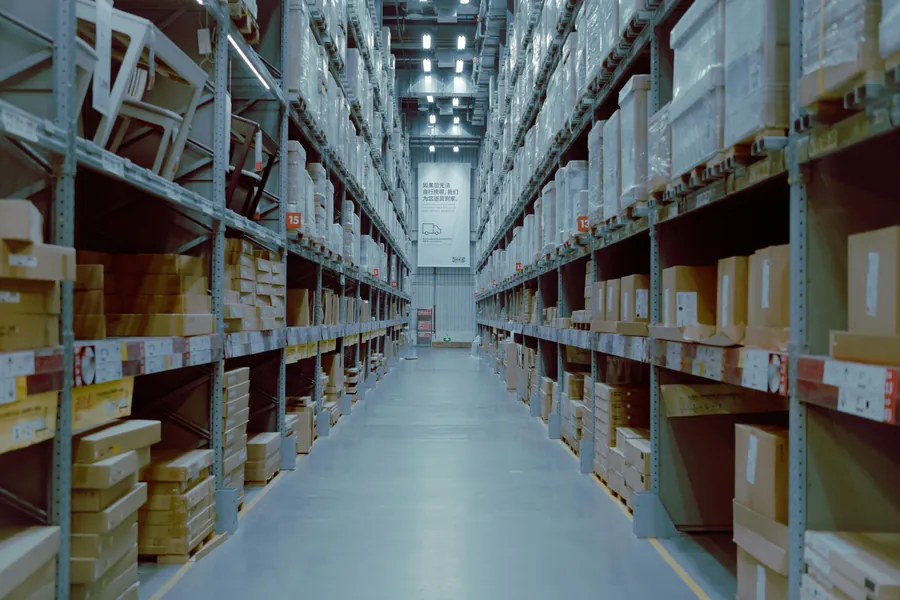
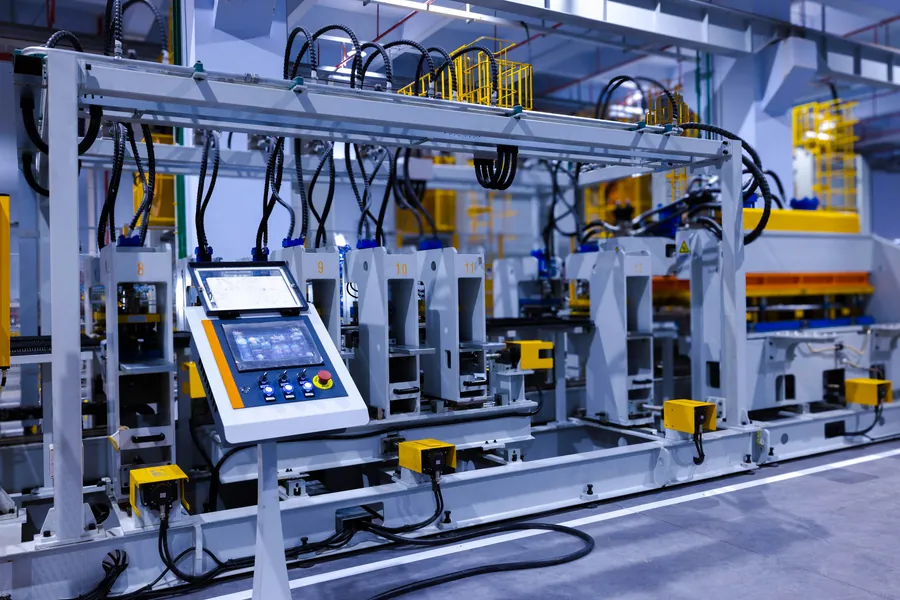
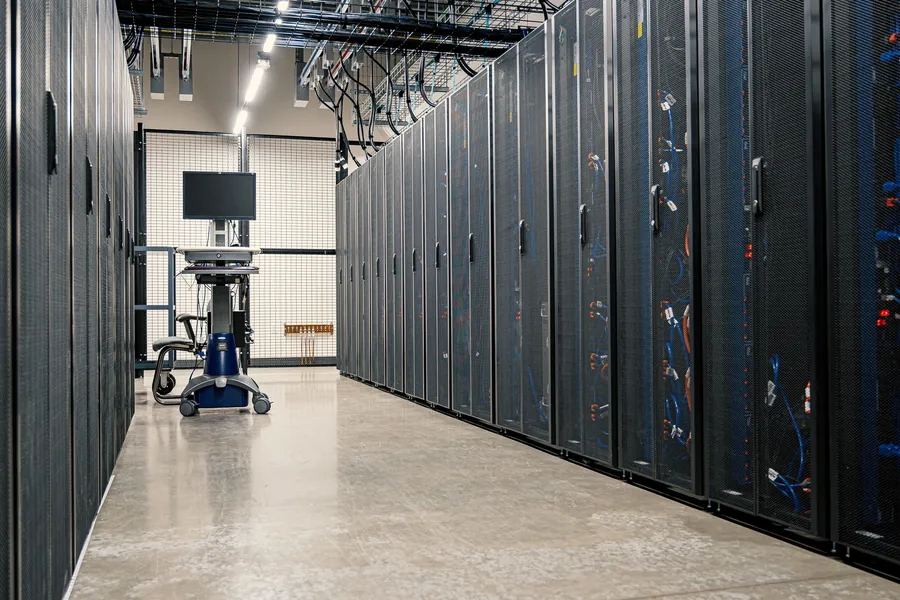

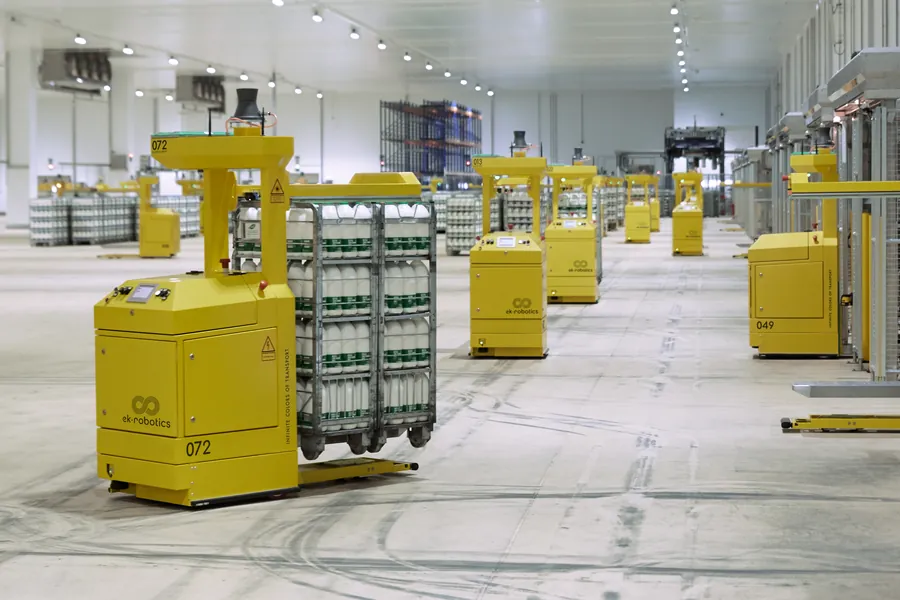
Image of use in the field
This process is not about selling a finished product, but rather about understanding the field, moving from proof-of-concept (PoC) to social implementation. It emphasizes on-site verification, focusing on PoC and collaborative testing.
Consultation
We will conduct interviews to understand on-site challenges, target equipment, and expected operational requirements.
On-site survey
We will organize the communication environment, equipment configuration, metal environment, and operating conditions.
PoC/Joint Verification
We will verify communication feasibility and system requirements in a real-world environment and jointly improve any issues.
System Design
Based on the PoC results, we will design and optimize the system to suit on-site conditions.
Application and Deployment
We will proceed with its application to actual operations and its gradual rollout.